


ATTENTION: The 1.5V Li-ion batteries can only be charged with XTAR L4, XTAR L8, XTAR BC4, XTAR MX4, XTAR VX4 or Soshine Chocolate 1.5V charger. (Not included in the scope of delivery)
1.5 volt rechargeable batteries based on lithium-ion technology of the widely used AAA/AA type are revolutionising mobile power supply for many standard applications.
The stable and high output voltage makes the 1.5 volt lithium-ion batteries compatible with all devices that are optimised for operation with disposable batteries and where the low voltage of the NiMH battery (1.2 to 1.35 V) causes problems. The high voltage results in higher performance in many devices, e.g. many torches or fairy lights are brighter or motors (toys, kitchen appliances) run faster than with NiMH rechargeable batteries.
The battery offers great advantages due to the undervoltage cut-off. Most applications do not have their own undervoltage cut-off, but do not damage the electronically regulated 1.5V Li-ion battery, as is the case with NiMH/NiCD batteries. 1000 charging cycles are therefore perfectly possible with the 1.5V lithium-ion battery under real conditions.
Disadvantages: The electronic control only allows the discharge current specified in the key figures. The batteries can only be charged with a suitable charger.
Please note: Electric motors, e.g. in toy cars, require several times the specified continuous load when starting up.
Important: Charging the 1.5V Li-Ion. batteries can only be charged with a charger designed for this purpose. Charging with a conventional charger for NiMH/NiCd or Li-ion batteries is not permitted. It is also not possible to charge on the base station of the radio/house phones. This will destroy the batteries.
Suitable chargers: XTAR BC4, XTAR L8
Chargers for Li-Ion 1.5V batteries from other manufacturers are not necessarily compatible.
https://www.pocketnavigation.de (very detailed information and comparative tests on the 1.5V batteries)
Please note that lithium cells should only be used by qualified persons.
Incorrect handling or short-circuiting can lead to fire or explosion.
Lithium-ion batteries are thermally stable and are not subject to a memory effect.
They work on the basis of lithium and are characterised by a high energy density.
Technical Data
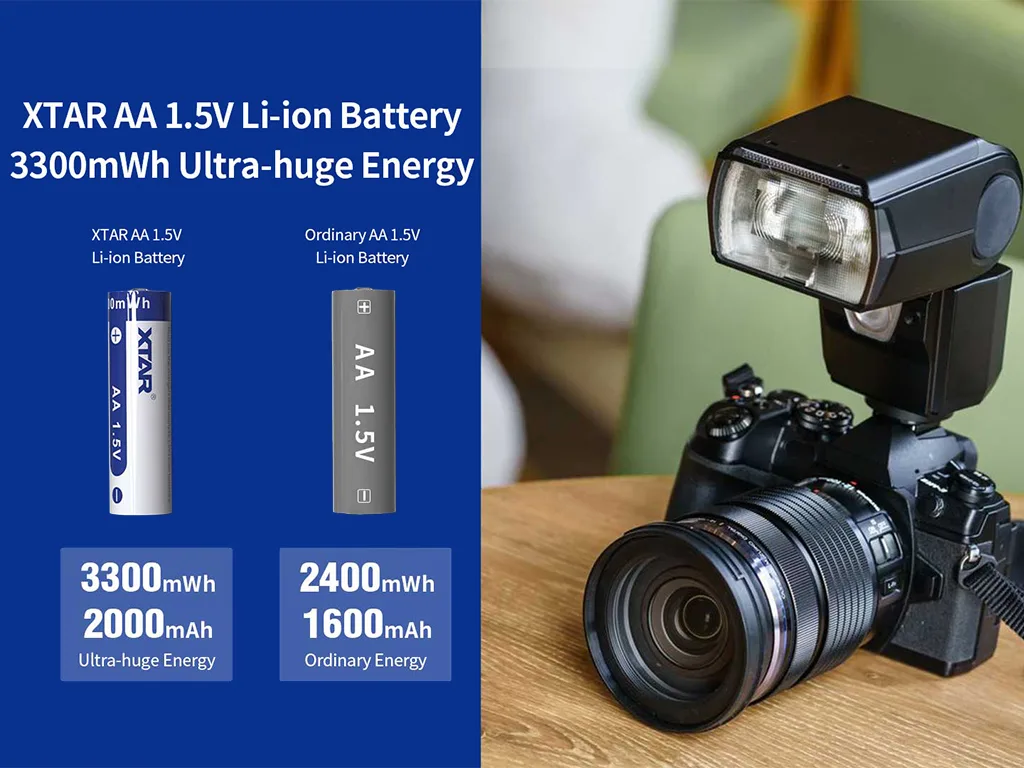
| Capacity in mWh | 3300mWh |
| Capacity in mAh | 2000mAh |
| Min. capacity in mAh | 1900mAh |
| Nominal voltage | 1,5V |
| Max. discharge current | 2A (2000mA) |
| Charging current | 0.xx – 0.5A |
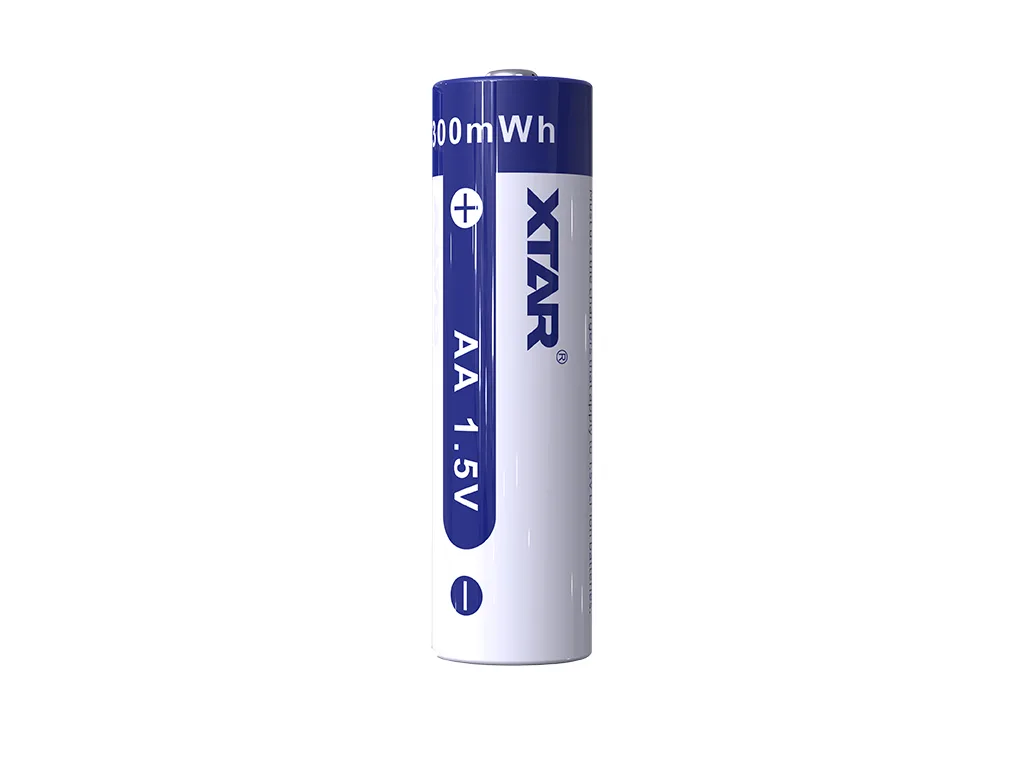
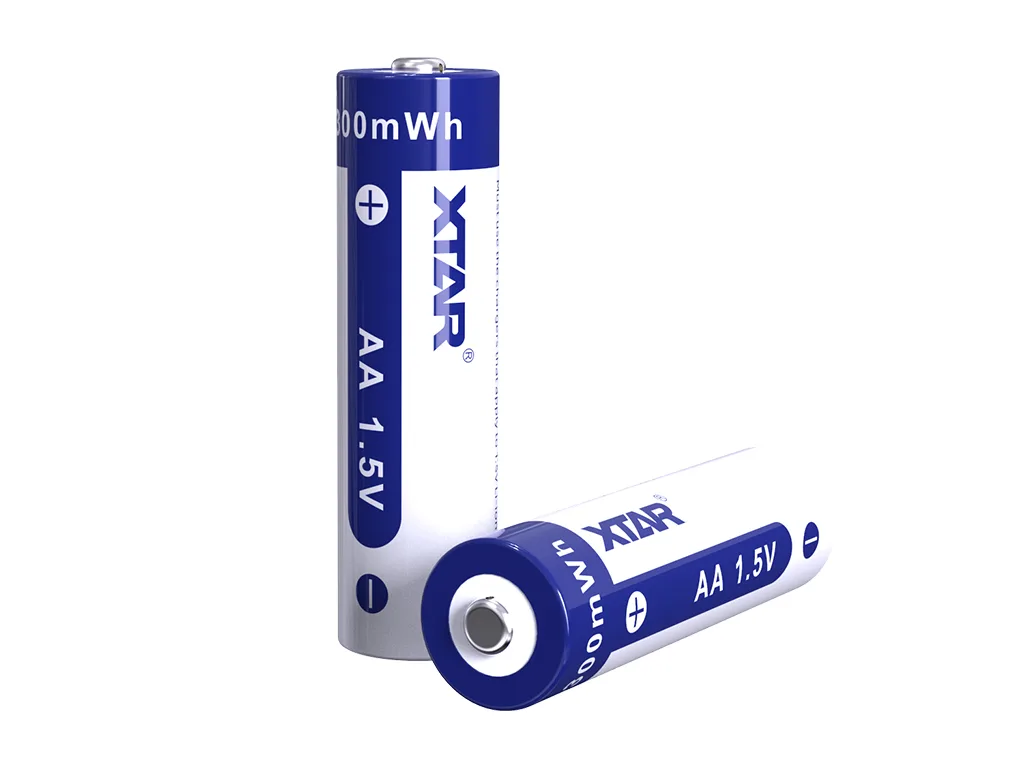
| Positive pole | increased (button top) |
| Achievable number of cycles | approx. 1000 cycles |
| Diameter | 14.50 mm ± 0.3 mm |
| Height | 50.00 mm ± 0.5 mm |
| weight | 20 g ± 1 g |
| Data sheet | XTAR 1.5V AA |
| Material Safety Data Sheet | MSDS |
| Transport test | UN38.3 |
| Transport test sea | UN38.3 Sea |
| Transport test air | UN38.3 Air |
| Drop test 1.2 m | Drop test |
| Charging current normal | 0.5A (500mA) |
| Fast charging current | 800mAh/3h |
| Charging operating temperature | 0 °C – 45 °C |
| Discharging operating temperature | -20 °C – 60 °C |
| Storage temperature | Recommended at 25±5 ℃ |
Functionality:
When using a high-quality 3.7V Li-ion battery with 920mAh, the energy is up to 3300 mWh. After the output voltage has been reduced to a constant voltage of 1.5 V by the electronics, this corresponds to a capacity of 2000mAh.







Reviews
There are no reviews yet.