

Innovative manufacturing processes in the BAK factories enable competitive products at the best price-performance ratio. BAK is an internationally operating company. The branch responsible for Europe has been located in Germany for several years. Due to the innovation of its own factories, BAK can keep up with and partly surpass the top-class competition.
The N18650CP from BAK is a perfect replacement for the NCR18650B from Panasonic. Due to the shortage of batteries on the international market, cells like the N18650CP will play a major role. For many battery pack assemblers, the batteries from BAK, Lishen or DLG will make a decisive contribution.
N18650CP (data sheet)
IEC (62133:2012)
UN38.3 (Test Report) UN38.3 (Summary)
MSDS (Safety Data Sheet)
UN2021:0001-2 (Safety Data Sheet Ship)
UN2021:0001-2 (Safety Data Sheet Aircraft)
Lithium cells may only be operated with protective electronics!
Please note that lithium cells may only be used by authorised qualified personnel.
Incorrect handling or short-circuiting may result in fire or explosion.
Lithium-ion batteries are thermally stable and are not subject to memory effect.
They work on the basis of lithium and are characterised by a high energy density.
1x BAK N18650CP – 3350mAh, lithium-ion rechargeable battery.
*Other options:
No selection: battery cell without options as in the main picture.
– Raised positive terminal: A button (nipple) welded to the positive terminal by means of a special welding process raises the flat positive terminal by approx. 2 mm, similar to a normal battery (for an additional charge).
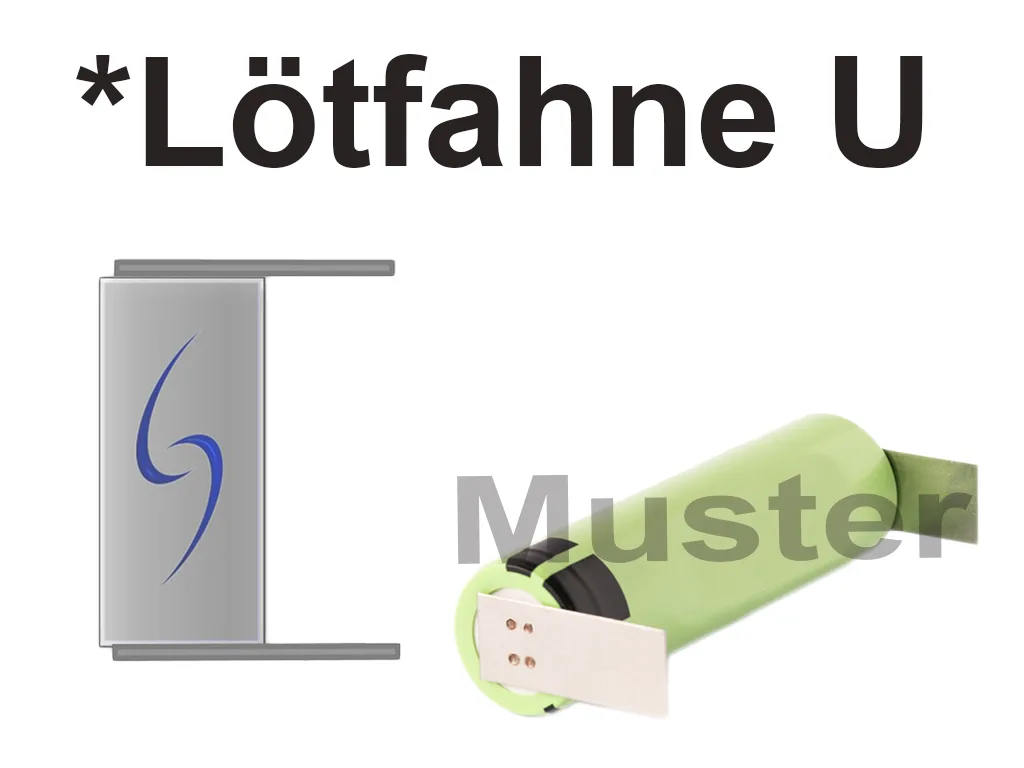
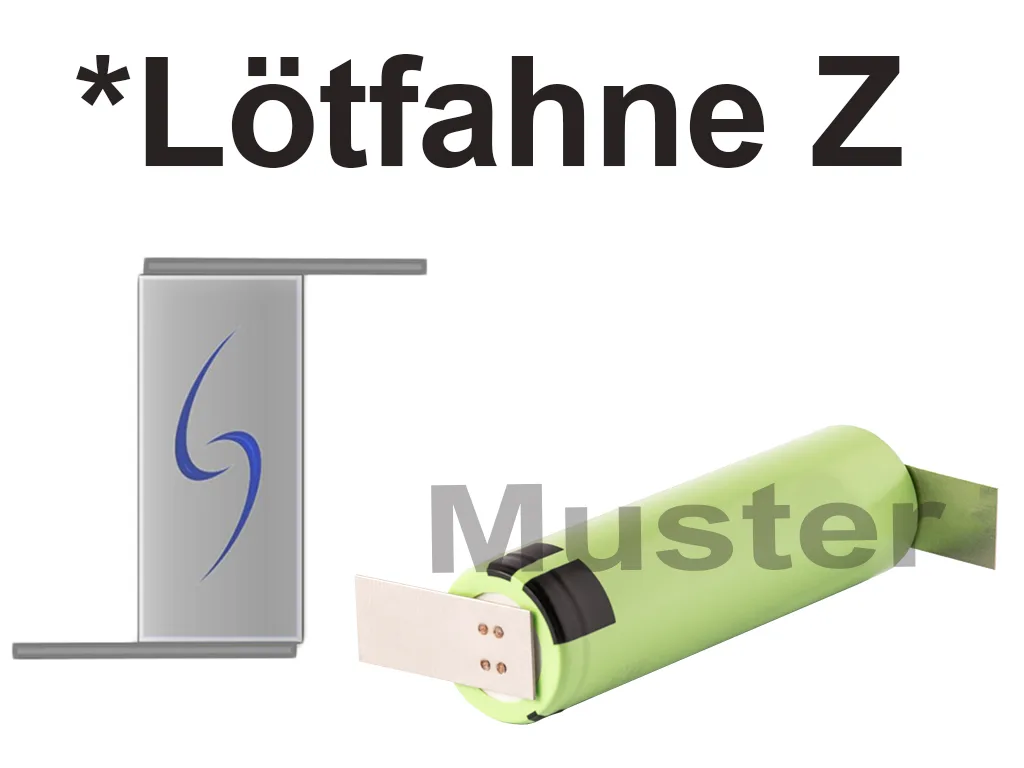
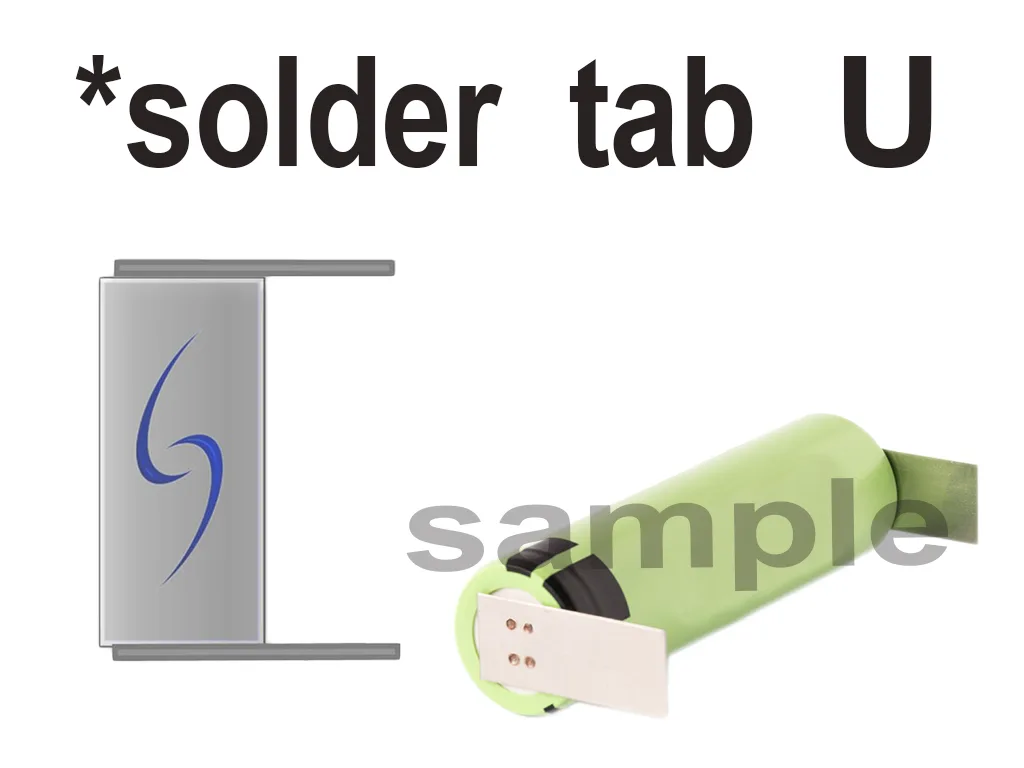
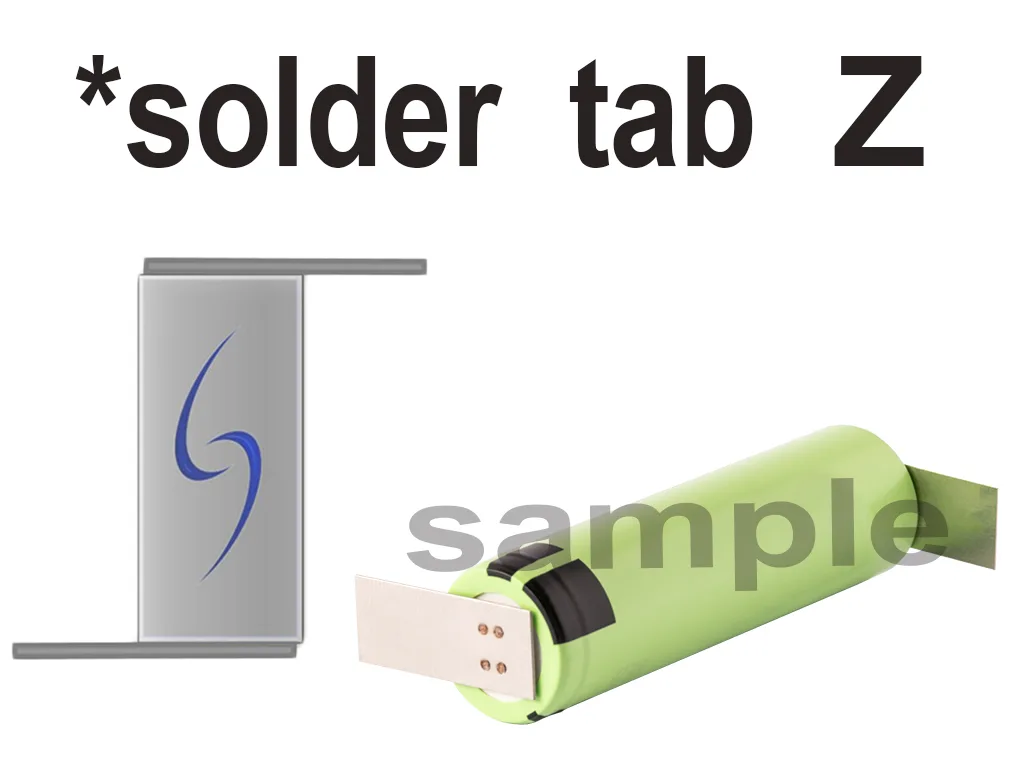
– Solder tag: A metal tongue (W: 7mm x L: 25mm x D: 0.15mm), which is firmly connected to the battery at the plus and minus pole and is used to solder a connecting wire or further batteries to the component (at an extra charge).
U – Both solder tags point in one direction (e.g. for parallel connection or soldering to electronic components).
Z – Solder tags point in opposite direction (e.g. for series connection or soldering to electronic components).
Technical Data
| Capacity | 3350mAh |
| Minimum capacity | 3250mAh |
| Rated voltage | 3.6V – 3.7V |
| Charging end voltage | 4,2V ± 0,05 |
| Final discharge voltage | 2,5V |
| Max. discharge current (constant) | 3C 10A (10000mA) |
| max. discharge current (pulse) | approx. 15A (15000mA) |
| max. charging current | 1C 3,25A (3250mA) |
| Protection electronics BMS | none |
| Positive pole | flat (Flat Top) |
| Diameter | 18.35 mm ± 0.15 mm |
| Height | 64.95 mm ± 0.25 mm |
| Weight | 48g ± 1 g |
| Charging method | CC-CV |
| Charging current Normal | 0.xx – 1.5A |
| max. charging current (2) | up to 3.25A |
| Operating temperature Charging | 0 °C – 60 °C |
| Operating temperature discharging | -40 °C – 60 °C |
Notes:
Charging lithium-ion batteries requires a special charger that charges the batteries according to a special charging procedure. (CCCV = constant current, constant voltage.) The batteries must not be charged above a voltage of 4.2 volts, otherwise there is a risk of fire and explosion. It is advantageous to charge the batteries only up to approx. 4.1 volts, as this significantly increases the service life or the number of charging cycles (possibly up to double). Only lithium-ion chargers may be used for charging. However, the cheap chargers sometimes have the disadvantage that they do not switch off safely at the end of the charging process, but continue to charge the batteries with a small charging current, which can be dangerous.
Furthermore, rechargeable batteries and batteries do not belong in household waste! Please dispose of them as prescribed by law at the municipal collection points or in the [usually green] containers provided by retailers.








Reviews
There are no reviews yet.