


Ultra-high performance cell with excellent power to energy ratio, offering both high charging speed and high output power. The DCR (direct current resistance) value has been reduced by 60% compared to the P28A, contributing to improved overall efficiency and performance.
This 18650 ultra-high performance cell was developed for the premium segment in various applications and offers great potential for sports/MTB e-bikes, 2-wheel motorsport, micro-mobility (e-skateboards, e-surfboards), heavy-lift drones (heavy-duty drones), high-end power tools and gardening equipment, hoovers, household appliances and more.
Molicel was one of the pioneers of the lithium-ion industry. Molicel batteries are used wherever extreme operation and high reliability are required, customers include NASA, DASA, Dyson, Boeing etc. Molicel batteries are only sold through authorised dealers.
https://www.e-cigarette-forum.com
INR18650-P30B (data sheet)
IEC (62133) (international standardisation organisation)
UN (UN38.3)
UL (safety certification organisation)
SDS (safety data sheet)
Lithium cells may only be operated with protective electronics!
Please note that lithium cells may only be used by authorised specialist personnel.
Incorrect handling or short-circuiting can lead to fire or explosion.
Lithium-ion batteries are thermally stable and are not subject to a memory effect.
They work on the basis of lithium and are characterised by a high energy density.
1x Molicel INR18650-P30B – 3000mAh, lithium-ion battery
*Further options:
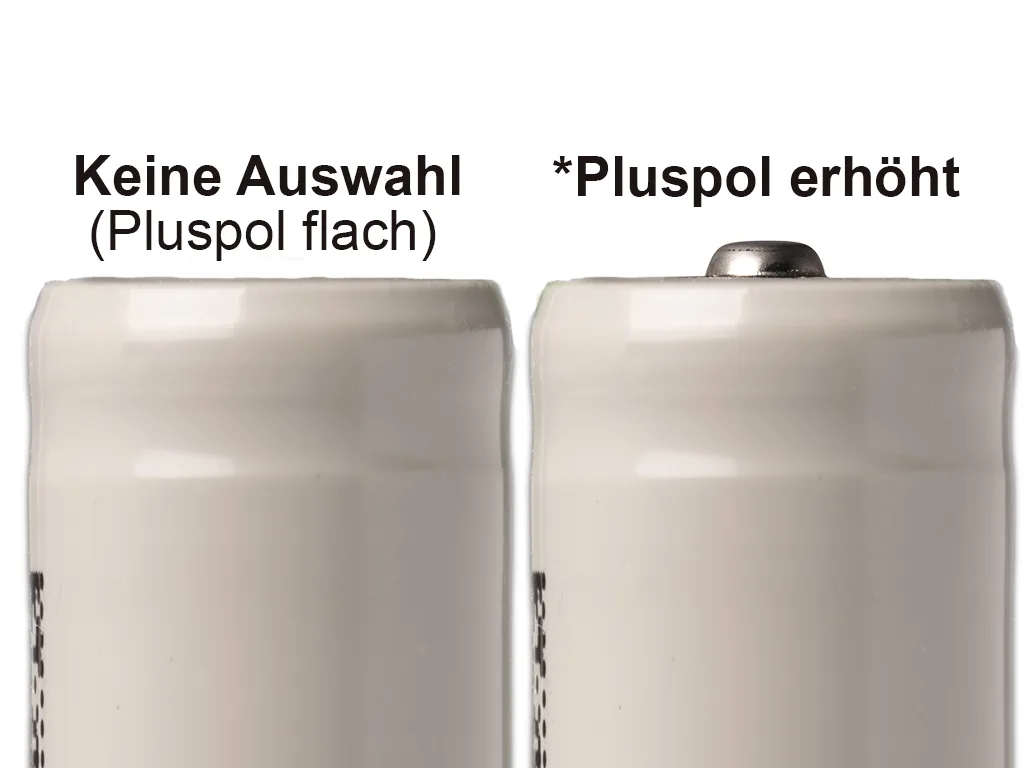
Without extras: Battery cell without extras as in the main picture.
– Raised positive terminal: A button (nipple) welded to the positive terminal using a special welding process raises the flat positive terminal by approx. 2 mm, similar to a normal battery (for an extra charge).
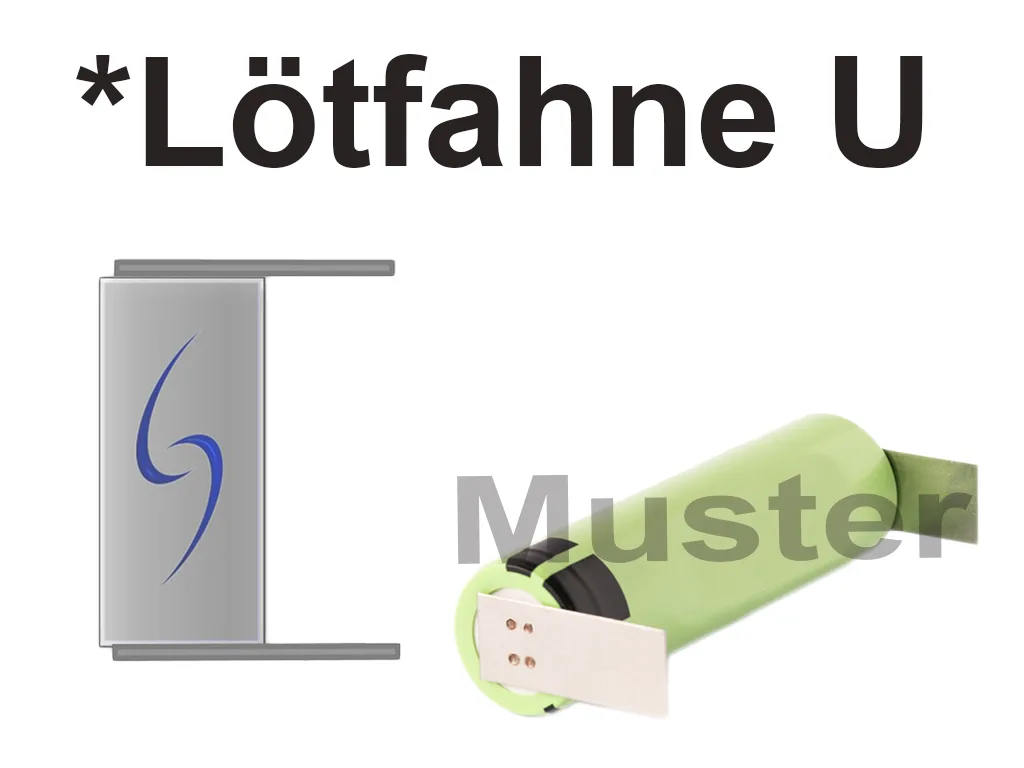
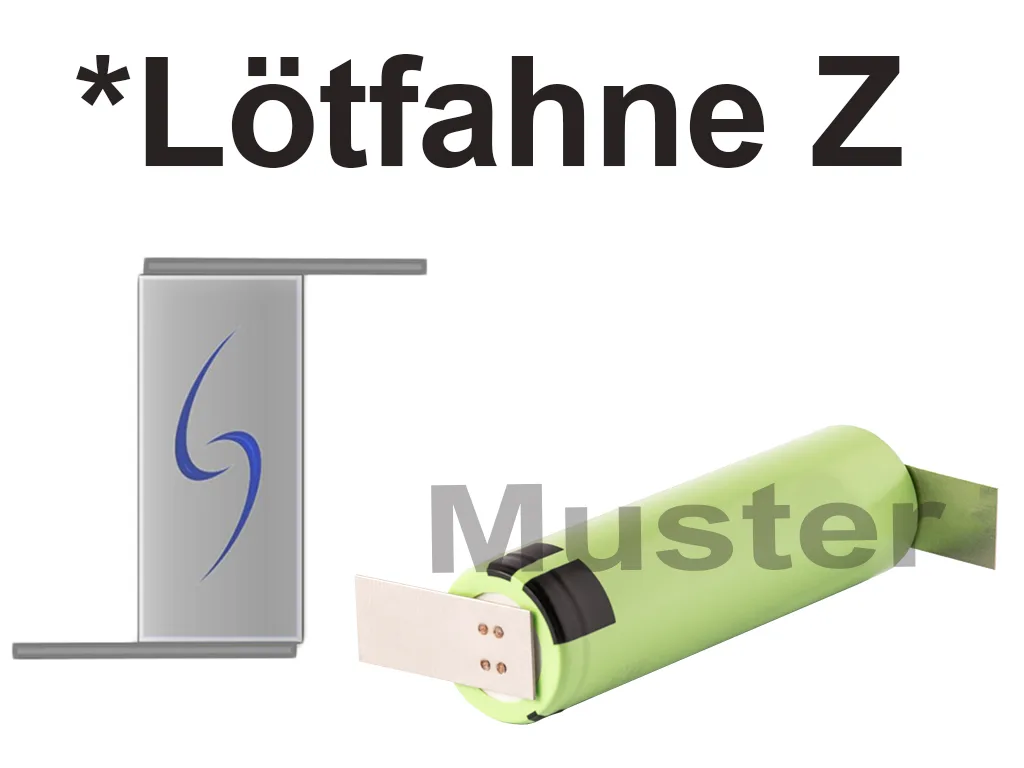
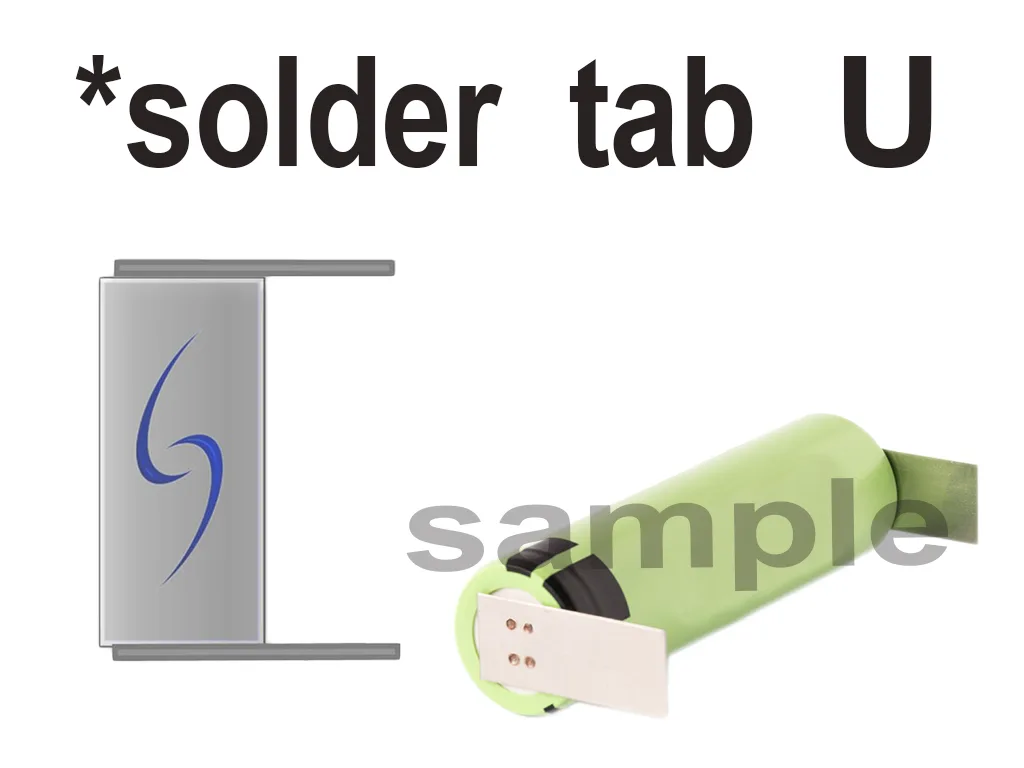
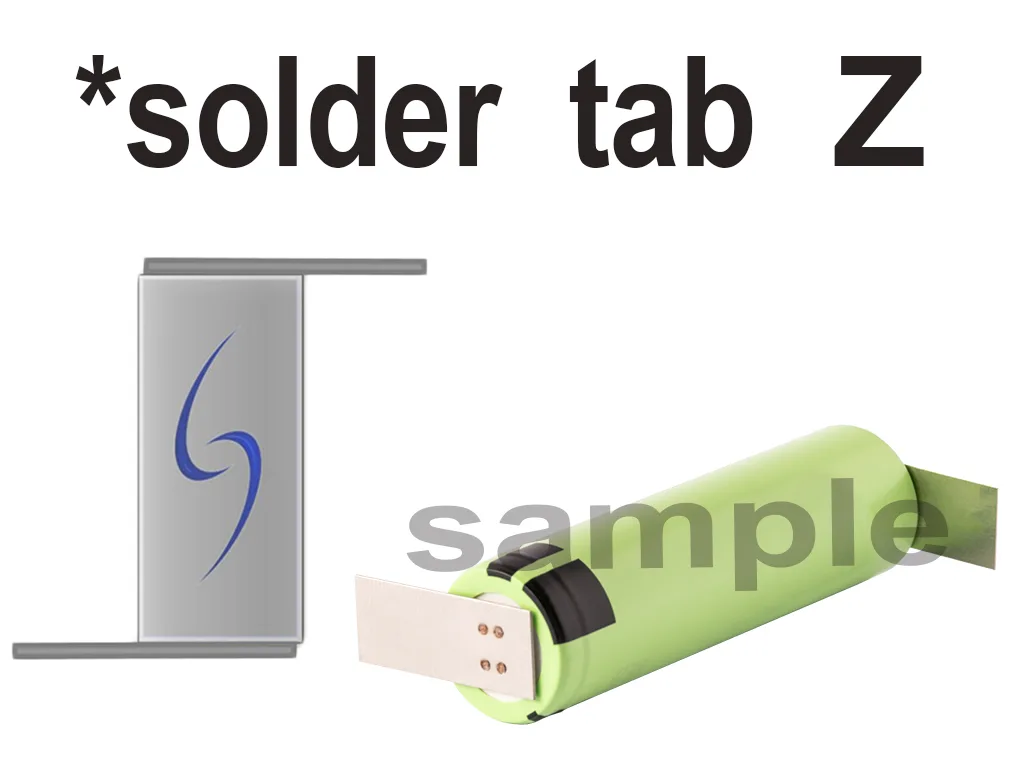
– Solder lug: A metal tongue that is firmly connected to the positive and negative terminals of the battery and is used to solder a connecting wire or additional batteries to the component (at an extra charge).
U – Both solder tags point in one direction (e.g. for parallel connection or soldering to electronic components)
Z – Solder tags point in opposite directions. (e.g. series connection or soldering to components)
Please note: The Molicel industrial cell has no integrated electronic protection circuit PCB/BMS and no sufficient insulation for normal household use (e-cigarette, torch, etc.) as well as no labelling. The industrial cells are designed for further processing into battery packs or integrated use.
For use in e-cigarettes or e-shisha, we have cells from Keeppower (black shrink tubing) that are sufficiently insulated and labelled with important key figures, which are suitable for use in devices equipped exclusively with protective electronics.
Technical Data
| Battery capacity | 3000mAh 10.8 Wh |
| Minimum capacity | 2900mAh 10.4 Wh |
| Nominal voltage | 3.6V – 3.7V |
| Final charging voltage | 4,2V ± 0,05 |
| Final discharge voltage | 2,5V |
| Max. discharge current (constant) | 30A (30000mA) 80°C cut-off |
| Max. charging current | 9A (9000mA) |
| PCB/BMS protection electronics | not available |
| positive pole | flat (flat top) |
| Diameter | 18.45 mm ± 0.15 mm |
| Height | 65.0 mm ± 0.2 mm |
| weight | 47g ± 1 g |
| Charging method | CC-CV |
| Charging current normal (recommended) | 0.xx – 3A (6000A ) |
| Max. charging current (2) | up to 9A (9000mA) (60°C cut off) |
| Charging operating temperature | 0 °C – 60 °C |
| Discharging operating temperature | -40 °C – 60 °C |
Notes:
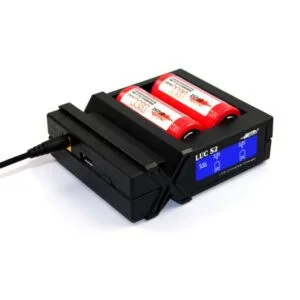
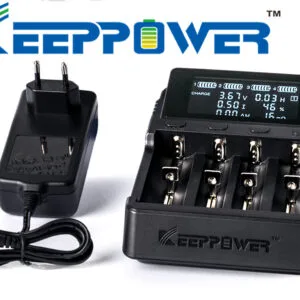
Charging lithium-ion batteries requires a special charger that charges the batteries using a special charging process. (CCCV = constant current, constant voltage.) The batteries must not be charged above a voltage of 4.2 volts, otherwise there is a risk of fire and explosion. It is advantageous to charge the batteries only up to approx. 4.1 volts, as this significantly increases the service life or number of charging cycles (possibly up to double). Only lithium-ion chargers may be used for charging. However, cheap chargers sometimes have the disadvantage that they do not switch off safely at the end of the charging process, but continue to charge the batteries with a low charging current, which can be dangerous.
Furthermore, rechargeable batteries and batteries do not belong in household waste! Please dispose of them as prescribed by law in the municipal collection centres or in the [usually green] containers provided for this purpose by retailers.









Reviews
There are no reviews yet.